Brand Logo
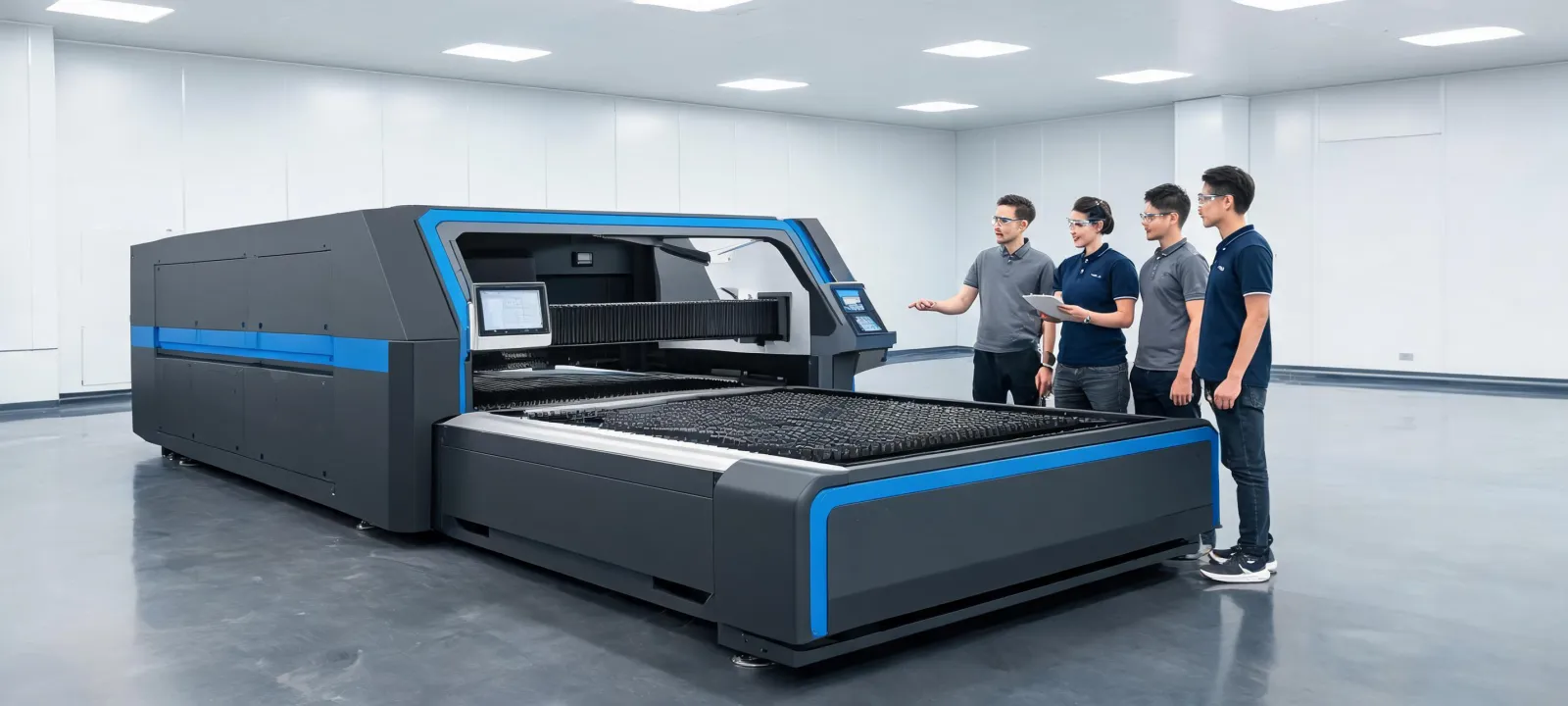
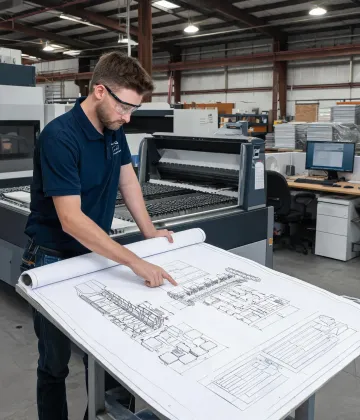
Bystronic engineering team beside an industrial laser cutting system
Company perspective

Bystronic About Us

Bystronic is an industrial laser equipment partner for teams that want machine decisions to connect with process data, service planning, operator practice, and long-term production accountability.

Our story

A company story told through manufacturing discipline

The timeline is framed around how laser equipment buyers evaluate a serious supplier: not by slogan volume, but by whether design, training, documentation, and support keep pace with the cell on the factory floor.

Foundation

Machine engineering as the starting point

Industrial buyers expect the machine frame, motion system, cutting head, controls, and software workflow to behave as one accountable platform. The Bystronic story starts with that practical expectation, because a laser cell becomes part of a larger production system as soon as the first job file is released.
Process

From equipment sale to production method

Laser cutting machines are rarely purchased as isolated hardware. Sheet loading, nesting, assist gas choices, operator shifts, downstream bending, and inspection routines all affect the result. The brand narrative therefore emphasizes process planning, not only machine appearance or headline power.

Support

Documentation that survives the handoff

A credible supplier leaves useful records behind: training notes, maintenance intervals, consumable lists, safety boundaries, alarm responses, and upgrade paths. These records reduce the risk that knowledge sits with one person instead of with the team responsible for the laser cell.

Future

Automation and data as operating standards

Modern cutting cells increasingly rely on material towers, automatic unloading, part sorting, software reporting, and tighter links to production planning. Bystronic is positioned for buyers who want those capabilities considered early, while the project is still flexible enough to shape around real plant constraints.

Operating values

How technical discipline shows up in daily equipment decisions

Evidence before enthusiasm

Recommendations should reference material families, part geometry, throughput targets, service conditions, and safety requirements rather than relying on generic claims about speed.

Clear ownership

Every important point in the project has an owner: layout, extraction, programming, consumables, training, maintenance, and quote approval are each made visible.

Lifecycle thinking

The conversation includes nozzles, optics, bellows, software, operator practices, and documentation because production risk often appears after the installation celebration has ended.

Your project team

Roles a buyer expects to meet during a laser equipment project

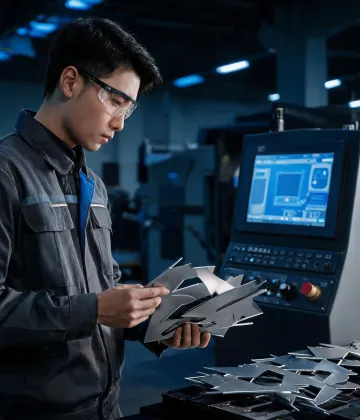
Laser applications engineer reviewing cut samples

Applications engineer

Translates material, thickness, tolerance, and throughput goals into a machine and process recommendation.

Automation planner studying sheet metal loading tower layout

Automation planner

Reviews loading, unloading, storage, floor space, and part flow before the project reaches installation.

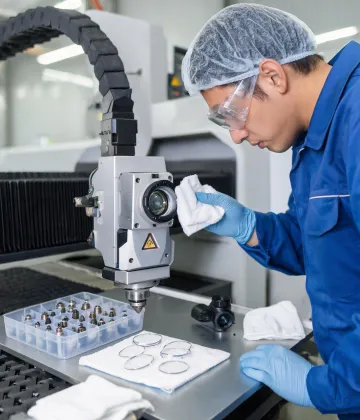
Service specialist inspecting cutting head optics

Service specialist

Builds the maintenance plan around optics, nozzles, bellows, alarms, software updates, and spare parts.

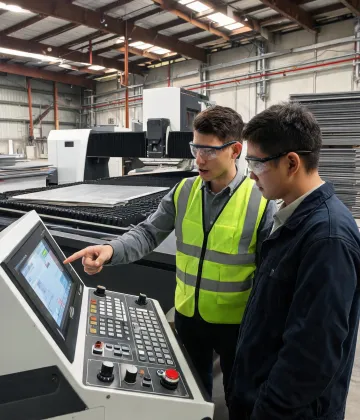
Training lead guiding laser machine operators at a control console

Training lead

Connects machine operation, safety routines, job files, inspection habits, and shift handoff practices.

ISO 9001 quality framework CE documentation review Class 4 laser safety controls Operator training record
Talk with a technical team

Use the about page as a starting point for a documented equipment discussion.

Send a requirement list and we will organize the questions around material, power, automation, safety, service, and total production fit.