
It’s Wednesday afternoon. A client just sent a modification that needs a custom stainless steel part shipped by Friday. Your current cutting process—a tired plasma cutter—will leave a rough edge that won't meet spec. You don't have time to experiment. You need an answer, and you need it now.
I know this situation because I live it. In my role coordinating rush production for a contract manufacturer, I've handled 200+ emergency jobs in 12 years. When the deadline matters more than almost anything, I’m the one who has to pick the right process—or pay the price.
Honestly, there's no single right answer. The only thing worse than a locked-down machine is locking into the wrong technology. So instead of pretending one machine fits everyone, let me break it down by scenario. Here’s how I think about it when time is tight.
There's No Universal Right Answer
The first thing I tell anyone who asks “Is Bystronic better than plasma?” is: it depends on what you're cutting. A fiber laser and a plasma cutter can both cut steel. But the edge quality, heat-affected zone, speed, and cost differ enough to make the wrong choice painful.
Rather than get bogged down in spec sheets, use your next order as the test. What material are you actually cutting? What tolerance does the downstream process need? How quickly do you need the first part? That'll put you into one of three scenarios.
Scenario 1: You Need a Bystronic Fiber Laser Cutting Machine
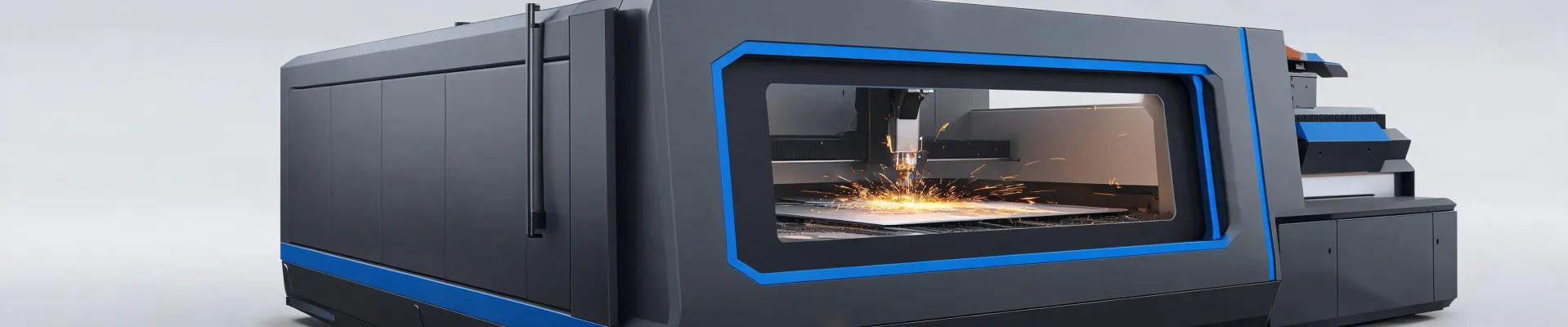
If you're cutting stainless steel or aluminum under 3/8” thick and the edge finish matters, go fiber. There's no shortcut around it. In March 2024, a client called us 36 hours before a deadline—they needed 200 brackets, 0.02” tolerance, for an aerospace fixture. Normal turnaround was 10 days. We found a shop with a Bystronic fiber laser cutting machine, paid $2,300 in rush fees—actually $2,500 after the weekend surcharge—and had the parts delivered with six hours to spare. That order would've failed with a plasma edge.
Why Bystronic specifically? Because for a hurry-up job, you want repeatability. A Bystronic laser's cut parameters are stored in the machine. You don't have to recalculate feed rates for every sheet. And with the right automation, you can run light-out overnight. That's the industry evolution: what was best practice in 2020—like relying on operator skill to dial in a chewed-up nozzle—just isn't good enough today.
But here's a warning: don't buy based on the brand name alone. I made that assumption error once. I assumed that if a machine had the same laser power and axis count, it'd cut the same. Turned out the cheap alternative didn't have the same beam quality after a few months. The Bystronic didn't complain. Its beam stayed square, the cut stayed blue, and we shipped parts that actually measured right.
One more thing about evaluating these machines: you'll see a lot of marketing. Under FTC guidelines, performance claims have to be substantiated. So when a rep says "30% faster," ask for a cut test with your material. If they hesitate, that tells you something.
Scenario 2: The 480V Plasma Cutter Is Still a Legit Choice
Now, the contrarian twist. If you're cutting 1-inch plus mild steel, and the parts are going to be welded, painted, or machined further, a 480v plasma cutter is not a compromise—it's a smarter play.
Plasma cuts thicker plate faster than most fiber lasers in the same price class. The edge isn't laser clean, but if it's going to be covered by a weld bead, why pay $350,000 for beauty you don't need? A $60,000 plasma with a 480V input will handle large structural jobs without blinking.
The key phrase is 480V. Don't assume a 240V unit will do the same thing. I did this once: assumed “plasma cutter” was a commodity, picked a single-phase unit because the price was right. It hit thermal overload after 30 minutes of cutting 1” plate. That mistake cost us a day and a half of schedule. On a rush order, that's basically the end of the world.
If you go plasma, get one with a high duty cycle at 480V. Check the spec sheet—most quality brands list the duty cycle at the machine's rated current. Anything below 80% duty cycle is a problem if you're running a production line.
Why didn't I choose a plasma for the bracket order? Because 0.02” tolerance and plasma edges don't go together. Speed, quality, price. Pick two. In that case, quality and speed—not price.
Scenario 3: You Already Own the Machine—Fiber Laser Maintenance That Actually Matters
Maybe you already have a Bystronic fiber laser. Then your issue isn't selection—it's uptime. If the machine goes down on a Friday, you don't have time to wait for a technician.
So let's talk about fiber laser maintenance from the trenches. The foundation: keep a stock of the consumables that actually fail. That means nozzles, lenses, protective windows, and focus rings. The day you need a replacement nozzle and you discover the only source is a 30-day lead time, you'll feel a pain I wouldn't wish on anyone.
Next, calibration. Every week, run a test cut on the same material and measure the kerf width. If it drifts by more than 0.05mm, something is changing. It's usually the beam quality, alignment, or a dirty lens. I've seen machines cut poorly because someone forgot to clean the tip after a spatter event. A 5-minute wipe saved an 8-hour panic.
When you look for a maintenance contract, don't let flashy specifications distract you. You might see something like “apodized fiber Bragg grating laser patent” in the laser source documentation. Sounds impressive. But what really matters is whether the vendor can respond quickly and keep the beam in spec. I learned this with a gut-vs-data moment.
Every cost analysis said switch to a cheaper maintenance vendor—he quoted 15% less and promised "same coverage." My gut said they seemed slow on emails. I went with my gut. Six months later, the original vendor's hourly tech was the one who got our machine back online in a morning. The cheap vendor's response time was 72 hours. That would've blown a $12,000 order.
Use maintenance data to decide, not promises. Ask: How many machines do you service? Where are the closest spare parts? How many service techs are on call? Last quarter alone, we logged 47 rush jobs with a 95% on-time delivery. That doesn't happen without a maintenance plan that's drilled in.
How to Find Your Scenario
Still not sure? Here's a simple test.
- If you cut aluminum and stainless under 3/8” and the edge finish is critical, you're in Scenario 1. Go with a Bystronic fiber laser.
- If you cut 1”+ carbon steel and tolerances are generous, you're in Scenario 2. A 480v plasma cutter is the right call.
- If you already have a fiber laser and you're worried about downtime, you're in Scenario 3. Focus on the maintenance contract.
And if you're searching “taglio laser fibra bystronic” because an Italian client is waiting on a quote, I know exactly how that feels. It's the universal code for “I have no time to make a mistake.”
The fundamentals haven't changed—match the machine to the job. But the execution has. Five years ago, plasma was often the only fast way to cut thick steel. Today, fiber lasers are faster, more reliable, and more automated. That doesn't make plasma obsolete. It makes this decision more interesting.
Take it from someone who has lost money on both mistakes: the costliest thing you can do is buy a machine for a job you don't have. Decide based on your next 10 orders, not your best-case revenue forecast. Then think about what happens when it fails. Because it will fail eventually, and you need a vendor who picks up the phone.

Jane Smith
I’m Jane Smith, a senior content writer with over 15 years of experience in the packaging and printing industry. I specialize in writing about the latest trends, technologies, and best practices in packaging design, sustainability, and printing techniques. My goal is to help businesses understand complex printing processes and design solutions that enhance both product packaging and brand visibility.