
-
What do these machines have in common?
-
Is the Bystronic 3015 laser still a smart buy for a first laser?
-
What does Bystronic laser automation actually include?
-
Can a 10W fiber laser replace a Bystronic cutting system?
-
When does an oxygen plasma cutter beat a laser?
-
Is an industrial handheld laser marking machine worth it for a job shop?
-
What should you check before a deadlined Bystronic laser run?
-
Do you need full Bystronic laser automation from day one?
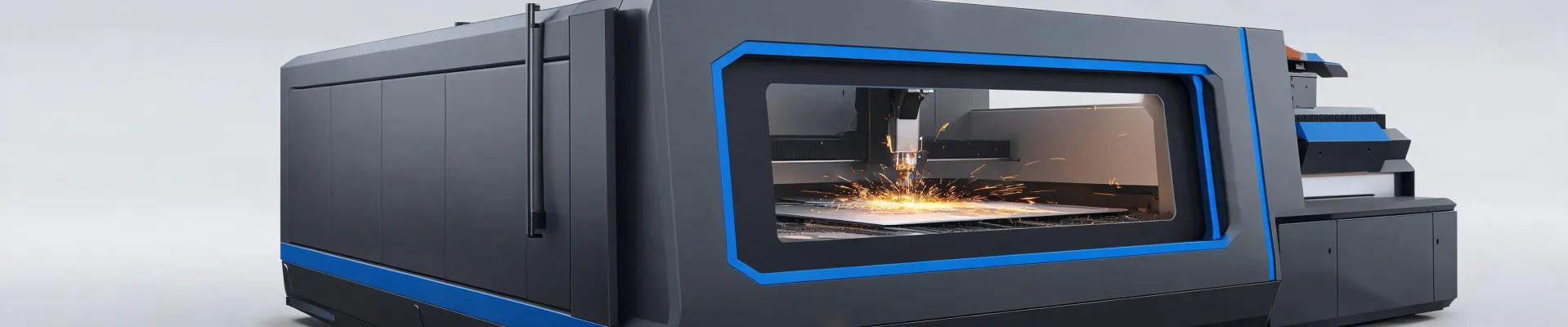
What do these machines have in common?
Nobody calls me when everything is running smoothly. They call at 4:47 PM with a 2,500-part order and a Thursday deadline. Over the past eight years, I have coordinated more than 200 rush jobs in fabrication shops, and the same questions keep appearing. This FAQ is not a technical manual. It is the short list of things I wish someone had walked me through before I had to bet a deadline on the wrong machine or process.
Is the Bystronic 3015 laser still a smart buy for a first laser?
Yes, if you have the sheet volume and the floor space. The 3015 designation in a Bystronic 3015 laser refers to the 3-meter by 1.5-meter sheet format – the standard size for many fabricators. The platform has been around long enough that spare parts and experienced operators are easier to find, and that matters when you are on a deadline. But the 3015 is not a one-stop answer. One shop I worked with bought a used machine and then underestimated the auxiliary costs: a decent chiller, gas supply, and operator training. What I mean is that the machine price is maybe half the real investment when you count installation, tooling, and the first month of scrap. So the real question is not whether the 3015 is good. It is whether you can feed it and fix it. If yes, it is a workhorse. If no, a smaller helper machine plus outside processing might be smarter.
What does Bystronic laser automation actually include?
People think automation means the laser runs itself. It does not. It means the machine spends less time waiting. According to Bystronic's published product documentation (bystronic.com), automation systems like the ByTrans loader feed sheets into the laser and the BySort sorter removes cut parts. Add a storage tower and you are cutting without someone standing there at 11 PM. Why does this matter? Because in a rush job, the biggest time leak is usually idle laser time, not cutting speed. In our shop, adding basic load/unload automation cut the time between parts from minutes to seconds. I do not have hard data on industry-wide payback periods, but based on the jobs we run, you need enough repeatable sheet work to keep the system busy. An automation module is not a cure-all (unfortunately, because that would make my life easier). It is a cure for one specific problem: waiting.
Can a 10W fiber laser replace a Bystronic cutting system?
No, and I wish more people asked before buying either. A 10W fiber laser is for marking and engraving – serial numbers, logos, QR codes – not for cutting steel. To cut 1.5-meter sheet metal, you need several kilowatts of laser power, a rigid gantry, and a gas supply. The 10W machine is a useful little tool; I just would not use it as a reason to delay a cutting investment. In a job shop, the pair makes sense: the big Bystronic cuts the part, and the 10W fiber laser marks the part number in about 15 seconds. Actually, I have never fully understood why some shops try to use marking lasers for production parts. My best guess is they see laser and assume one technology can do everything. It cannot.
When does an oxygen plasma cutter beat a laser?
For thick carbon steel, especially 1 inch and above, an oxygen plasma cutter can cut faster than a laser on a cost-per-machine basis. It is also more forgiving in dirty or rusty conditions. But better depends on what the part needs. Plasma gives you a wider kerf, a rougher edge, and more dross that someone has to grind off. In high-mix fabrication, that hidden labor kills your deadline. I remember one emergency order where we quoted laser-cut parts, the client asked us to use their existing plasma during a machine breakdown, and we spent two days cleaning edges before welding (ugh). The decision is not plasma vs laser as a universal rule. It is: are you cutting 3/4-inch plate where edge quality does not matter? Then plasma is fine. Do you need square, repeatable edges for a part that goes into a weldment? Then the extra cost of laser usually comes back in less rework. That is the math that matters, not just the cutting speed.
Is an industrial handheld laser marking machine worth it for a job shop?
It depends on what you are marking. A handheld fiber marker is fantastic for large, heavy, or assembled parts that won't fit inside a chamber marking system. You carry the head to the part, set a fixture to keep the distance constant, and etch a data matrix code in a few seconds. The catch is that handheld marking is operator-dependent. If you set it down at the wrong angle or let the beam dwell too long, you either get a light mark or burn the coating. Approving the purchase, I immediately thought: did we just buy another machine that needs babysitting? (The answer: yes, at first.) But after we wrote a one-page checklist for distance, focus, and air assist, our reject rate dropped. That is why an industrial handheld laser marking machine is not a toy, but it is also not a replacement for a stationary marker. You need both if you are doing serialized industrial parts.
What should you check before a deadlined Bystronic laser run?
Prevention over cure. Five minutes of verification beats five days of correction.
I built the following checklist after a 2023 job where we missed an 11 PM deadline by four hours because the nozzle was worn. The burn was bad, the scheduler was angry, and the client's line ran empty for an hour. The expensive part was not the nozzle. It was the hour when we weren't cutting. Now the checklist sits next to the operator:
- Lens and nozzle condition – check for spatter, damaged coating, and center bore wear.
- Gas pressure and purity – especially when switching between nitrogen and oxygen.
- Sheet size and material grade in the nesting software – a wrong plate thickness can scrap the pallet.
- Cutting recipe for the exact material lot – do not assume last week's parameters work.
- Spare parts on hand: nozzles, lenses, ceramic rings, and filters.
That list has saved us far more than the cost of a nozzle. The goal is to catch the issue before it becomes a five-day correction.
Do you need full Bystronic laser automation from day one?
No. But leave room for it. Full Bystronic laser automation makes sense when you have enough volume, a stable part mix, and a workflow that can actually use the freed-up time. If you only run three quick-turn jobs a week, a loader may just sit there. What I usually recommend is to automate the bottleneck first. If your bottleneck is sheet loading, add a loader. If it is part sorting, look at sorting integration. If it is quoting and programming, fix the software side before touching hardware. I don't have hard data on how many shops buy automation too early, but I would guess it is a significant slice of underused towers. My best guess is they underestimate the internal prep work – programming standards, nesting routines, and maintenance training. The good news? The Bystronic platform is modular enough that you can add automation later, as long as you buy the right machine base now. Keep that in mind before you tell yourself you need the full tower in month one.

Jane Smith
I’m Jane Smith, a senior content writer with over 15 years of experience in the packaging and printing industry. I specialize in writing about the latest trends, technologies, and best practices in packaging design, sustainability, and printing techniques. My goal is to help businesses understand complex printing processes and design solutions that enhance both product packaging and brand visibility.