
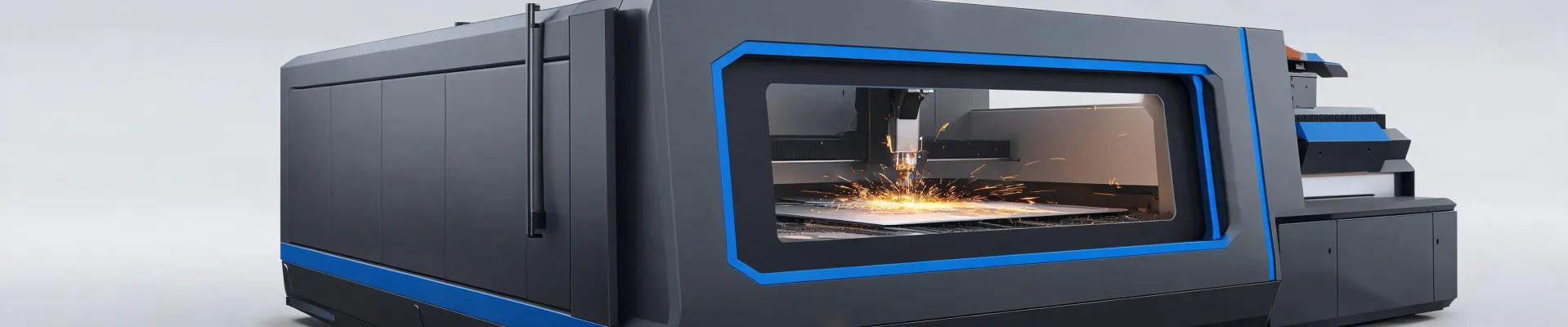
In March 2024, a production manager called me at 2 p.m. on a Thursday. Their Bystronic laser was down, the right nozzle was in another state, and a big order was due Friday. We got the part on a plane by 9 p.m. and the machine was running again before the morning shift. I'm writing this because that situation is more common than you'd think—and most delays come from a few avoidable mistakes.
This checklist is for anyone who needs Bystronic laser nozzles fast. It's not a complete maintenance guide. It's the 'get the right part quickly and don't screw it up' version. If every hour counts, here's the order I do things in.
Step 1: Pull the nozzle and find the part number
Don't open your browser before doing this. The part number is usually laser-etched on the side of the nozzle. If it's worn off, measure the thread and the bore opening.
Search tip: Bystronic is sometimes misspelled as 'bystronic' in listings. Search engines still figure it out, but the real filter is the part number. A 1.5 mm bore and a 2.0 mm bore can look identical in a photo, and they cut differently.
Write down the machine model and year too. A nozzle for an older BySprint doesn't necessarily fit a newer ByStar Fiber.
Step 2: Know whether you're running CO2 or fiber
This sounds basic, but it's where the expensive mistakes happen. CO2 lasers use a gas mixture and a folded beam path. Fiber lasers use a solid-state source and deliver the beam through an optical fiber. The wavelength is different, so a nozzle optimized for one can actually hurt cut quality on the other.
Bystronic's own technical documentation (at bystronic.com) stresses that nozzle geometry directly affects cutting gas flow and edge quality. That's not marketing fluff—it's the reason a thread match isn't good enough.
In the metal fabrication world, 'laser treatment co2' usually means processing material with a CO2 laser, not a medical procedure. So when you're looking for parts, search for 'CO2 laser cutting' instead. You'll get far more relevant results.
If you bought a used laser from a fiber laser sale, don't assume the nozzles that came with it are right. Check the part number against the machine manual. I've seen operators put a CO2-era nozzle on a fiber head because the thread fit. It threaded on fine. The cut quality was terrible. They blamed the laser, but it was just the nozzle.
Step 3: Verify the vendor has stock, not just a listing
When you're in a hurry, call. Don't just fill out a form and pray. Ask these three things:
- Is the nozzle physically in your stockroom today?
- What's your shipping cutoff for next-day delivery?
- Can you send a photo of the actual product and packaging?
The photo request isn't paranoid. I once had a supplier send a picture of a 'compatible' nozzle that had a visibly different finish. It was the wrong part. That photo check saved us about $150 in wasted shipping. So yes, ask.
Also check whether the vendor says 'OEM' or 'aftermarket.' Both have their place. But when a machine is down, you don't want to be the test case for an unproven alternative. If you buy aftermarket, make sure they accept returns and back the part number.
Step 4: Calculate the real cost, not the sticker price
People assume rush orders cost more because they're harder. Actually, rush orders cost more because they're unpredictable. They interrupt a planned production schedule, and that unpredictability is what you're paying for.
So compare the full path:
- Base price of the nozzle
- Shipping speed—and what 'overnight' actually means for your location
- Customs or brokerage fees if you're buying across a border
- The hourly cost of the laser sitting idle
Bottom line: a single nozzle with expedited shipping can cost more for freight than for the part. That's still smart if it keeps a job on schedule. I've paid extra for air freight many times. I've also watched a colleague save $20 on ground shipping and lose a full production day. That's not a tradeoff I'd make again.
Pricing note: rates vary by vendor, region, and time of order. Confirm current quotes before ordering; what you're really paying for is certainty, not just hardware.
Step 5: Test the new nozzle and set up a spare
When the part arrives, don't just thread it on and run a full sheet. Do a quick check:
- Compare the bore size with the old nozzle or a drill gauge.
- Inspect the seating cone for burrs or damage.
- Cut a test piece in the same material and thickness as your job.
- Look at the edge quality—dross or rounding means something's still wrong.
There's something satisfying about a clean test cut after a rush delivery. You can feel the stress leave the room. That's the payoff for doing the steps above.
Then, immediately, order a spare. You know the part number now. You know the supplier. You know the lead time. Put one or two in the drawer and update your inventory. That's your insurance plan.
One more thing: on a laser system with a rack-mounted optical fiber tray, check the fiber path too. The patent-protected tray designs on newer machines control bend radius for a reason. A pinched or over-bent fiber can make a good nozzle look bad—erratic cuts, rough edges, poor piercing. I've seen a 'nozzle problem' that turned out to be a fiber tray installed wrong. So if the new part doesn't fix it, look at the fiber.
Common mistakes to avoid
- Ordering by machine series instead of the full part number.
- Assuming CO2 and fiber nozzles are interchangeable just because the thread fits.
- Buying 'compatible' parts with no return policy.
- Ignoring the fiber cable and tray when cutting quality drops.
The fundamentals here haven't changed: know your exact part, verify the supplier, check the real cost, keep a spare. What has changed is speed. Machines run faster, nozzles wear quicker, and the supply chain is less predictable than it was in 2020. That's why the 'order it and wait a week' approach doesn't fit modern production anymore.
If you take one thing from this: save the part number in your phone before you need it. When the deadline is close and the laser is down, that little string of characters is worth more than any rush fee.

Jane Smith
I’m Jane Smith, a senior content writer with over 15 years of experience in the packaging and printing industry. I specialize in writing about the latest trends, technologies, and best practices in packaging design, sustainability, and printing techniques. My goal is to help businesses understand complex printing processes and design solutions that enhance both product packaging and brand visibility.