
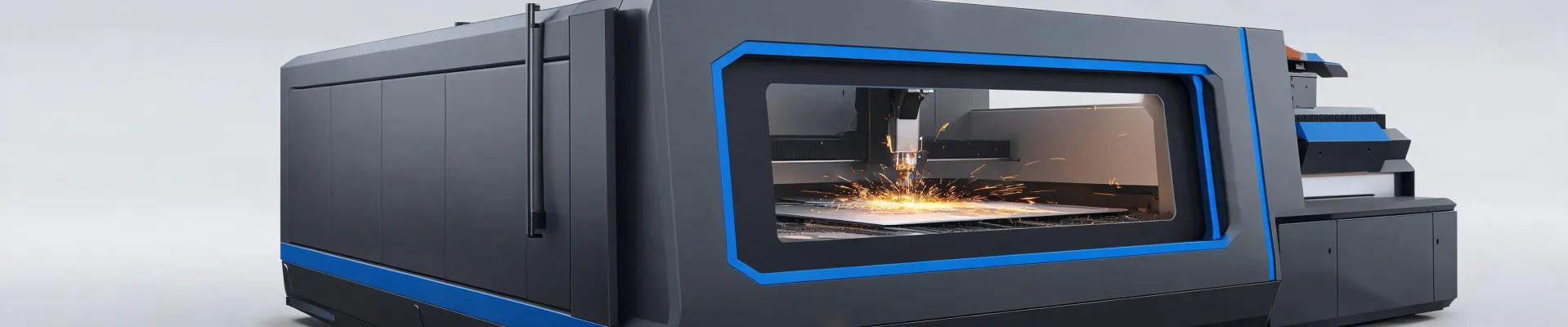
A used Bystronic BySmart Fiber 4kW runs $140,000–$220,000 depending on age, hours, and service history, and you’ll spend another $15,000–$30,000 on rigging, installation, and tooling. A used Bystronic press brake — say an Xpert, 40 to 80 tons — sells for $70,000–$120,000. And when someone asks “how expensive is a CO2 laser,” that’s the wrong question in 2025. The CO2 machine looks cheaper on paper, but it can end up costing more than any fiber laser ever will. That’s the conclusion I’ve reached after six years of managing equipment purchases. Here’s the math behind it.
I’m a procurement manager at a 40-person custom fabrication shop. I’ve tracked more than 60 equipment transactions in a cost database since 2019, with a capital budget of around $1.2 million per spending cycle. In Q2 2024, I approved the purchase of a used Bystronic BySmart Fiber 4kW after eleven weeks of comparing it against CO2 systems and newer fiber platforms. This article is the honest version of that analysis.
Why the CO2 Question Is a Trap
The major manufacturers — Bystronic, Trumpf, Amada — have largely stopped building new CO2 lasers for sheet metal. The used market is loaded with decent CO2 machines at tempting prices, and it’s natural to think you’re getting a bargain. But you’re not buying a machine; you’re buying production capacity. And here’s where the numbers split.
Rough price picture, as of January 2025:
- Used Bystronic ByStar CO2 (3–5 kW): $60,000–$110,000 depending on age and hours
- Used Bystronic BySmart Fiber 4kW (late 2010s–2023): $140,000–$220,000
- New Bystronic BySprint Fiber Pro 4kW (the BySmart’s successor): $350,000–$450,000 depending on configuration
- Used Bystronic Xpert press brake (40–80 tons): $70,000–$120,000
So yes — the CO2 machine is cheaper. That’s exactly why I built a total cost model instead of comparing quote sheets. And I had to unlearn my own habit of trusting spec sheets. Per FTC advertising guidelines (ftc.gov), marketing claims have to be truthful and substantiated. What counts as substantiation in my book is a test cut on our actual parts, not a brochure. Every vendor we considered had to run our copper and steel samples on their machine before I’d put a number next to their name.
Copper Is Where Fiber Lasers Win
Most buyers focus on sticker price and completely miss the order book implications. That’s the blind spot in almost every equipment purchase I’ve analyzed. Copper, brass, and reflective metals are where fiber dominates. A 4kW fiber laser cuts clean copper up to around 12mm thick. A CO2 laser reflects off the surface, wastes energy, and degrades its own optics. In practical terms, copper jobs go to shops with fiber lasers, and everyone else gets left out of the quote.
In July 2024, a customer came to us with a copper bus bar order — 1,200 pieces, a six-week deadline. Two CO2-equipped shops had already declined because they couldn’t maintain edge quality. We cut the first batch in three days. That contract covered roughly 8% of what we’d paid for the BySmart, and it turned into a recurring monthly order.
Here’s the thing about copper: demand keeps growing because of electric vehicles, battery packs, and renewable energy components. Suppliers who can cut it reliably are pricing at 20–30% margins. If you’re searching “fiber laser copper,” you’re probably already looking in the right direction. The only question is whether you’re willing to pay the entry fee.
What a Used BySmart Fiber 4kW Actually Cost Us
We paid $168,000 for our unit, including a one-year service agreement from a Bystronic-certified dealer. Rigging and transport from the seller’s site in Ohio cost $11,500. Installation, alignment, and two days of operator training came to $14,200. New tooling, nozzles, and a spare cutting head set us back another $18,000. Total upfront: roughly $211,700. That lands close to what some import brands charge for a new 2kW fiber, and I’d make the same call again.
Why? Because the cost of a machine isn’t what you pay to put it on the floor. It’s what you pay to keep it cutting. Bystronic’s parts availability in the US is measured in days, not weeks. The dealers have actual technicians who answer the phone. Those factors showed up in my total cost model as productivity differences that dwarfed the price gap.
The $47,000 Lesson About Certainty
Our final two options were the BySmart at $178,000 from a Bystronic dealer (negotiated down to $168,000) and an imported 4kW fiber laser at $131,000 from a wholesaler. Specs were comparable on paper. For three weeks, I almost talked myself into the import.
Then I called the import dealer with a maintenance question. “How fast can you get a replacement cutting head?” The answer: “Six to ten weeks, parts come from overseas.” I called the Bystronic dealer with the same question. “We have one in US stock. Three days, including delivery.”
It took me four years and roughly 40 purchase orders to fully internalize this: when a machine is down, every single hour has a cost attached, and cheaper equipment doesn’t become cheaper during downtime. Six weeks without a laser would cost us about $75,000 in lost billable capacity. The $47,000 I’d “save” on the import was a bet against our own production schedule. I’m not a gambler.
In November 2024, that certainty paid for itself. A week before a major shipment deadline, our autofocus height sensor failed. I called our service rep, and the replacement went out the same day via USPS Priority Mail. Two days later, the sensor was in our tech’s hand. We hit the deadline. That nine-dollar shipping charge saved a $22,000 contract.
Used Bystronic Press Brake: What to Check First
Now, about those “bystronic press brake for sale” searches. Used press brakes are a different animal from lasers, and honestly, the market has more traps.
After tracking press brake purchases for five years, I’ve come to believe the machine price is only half the story. Tooling, delivery, installation, and the first service call can add 20% or more. Here’s what I check on every used Xpert or older Bystronic press brake:
- Hydraulic crowning. If the crowning system isn’t calibrated, long parts come off with angle inconsistency across the bed. Ask for a calibration report or pass.
- Backgauge axis count. Two axes is fine for simple work; complex boxes and flanges demand four or more.
- Documented service history. A low-hours machine with no paperwork is riskier than a high-hours machine with certified maintenance records.
- Included tooling. A machine without punches and dies will surprise you — a full set for an Xpert can run $15,000–$30,000.
Buying a used press brake is like hiring a technician: you’re not just buying the iron, you’re buying its history and the network around it.
For Anyone Searching “CO2 Laser Dortmund”
One more thing, specifically for readers in Germany’s Ruhr region. If you’re searching “co2 laser dortmund” looking for a cutting service, flip that search. Many job shops list CO2 because that’s what they’ve always run, but the shops with fiber lasers will give you better pricing and faster turnaround on most materials. Search for “faserlaser” instead.
If you’re buying rather than outsourcing: the used equipment market in NRW is solid. I’ve seen used BySmart Fiber units and Xpert press brakes listed through dealers in the region at prices that compare well with the US market. Just run the same TCO math — tooling, transport, installation, and whether the seller can actually provide technical support in your area.
When the Cheaper Machine Actually Wins
I’m not going to pretend premium always beats budget. There are situations where a used CO2 laser or an imported budget fiber is the smart move:
- Low utilization. Under 15 laser hours per week, the speed advantage of fiber has no room to generate revenue. A cheaper machine that sits mostly idle is fine.
- Carbon steel only. If you’ll never cut copper or reflective alloys, a used CO2 can still be rationalized on cost. Just acknowledge that parts and consumables will get harder to source every year.
- Excellent local support for a different brand. If an import dealer has a technician within 50 miles and a regional parts warehouse, the risk equation changes completely.
- Backup capacity. A second machine for overflow work can be the cheapest functional option, because production can route around its failures.
But here’s my boundary: if your business depends on meeting customer deadlines — and whose doesn’t — the uncertainty of a machine without a reliable service network is not a budget line item. It’s a liability. The certainty premium is the price you pay for never having to explain to your best customer that their parts are late because a component is on a container ship somewhere.
Anyway, that’s my take after six years of buying this stuff. If I can save one shop from learning the expensive way, this article did its job. Run the numbers, run the parts, and don’t let a pretty spec sheet make your decisions for you.

Jane Smith
I’m Jane Smith, a senior content writer with over 15 years of experience in the packaging and printing industry. I specialize in writing about the latest trends, technologies, and best practices in packaging design, sustainability, and printing techniques. My goal is to help businesses understand complex printing processes and design solutions that enhance both product packaging and brand visibility.