
-
CO2 Machine Laser vs. Fiber: The Question Is Getting Old
-
Why I Specified a Bystronic Fiber Laser 6000 W
-
What the 6000 W Number Actually Does for You
-
The Automation “Before” and “After”
-
“Before and After” That Actually Matters
-
But Isn’t It Expensive?
-
Honest Limitations: When a 6 kW Bystronic Is Not the Fit
-
What to Ask Before You Buy Any Laser Cutting System
-
The Bottom Line
Most people shopping for a laser keep asking the wrong question. They ask “CO2 or fiber? 4 kW or 6 kW?” They should ask: “Will this system hold tolerance after part 1,000?” I’m a quality/compliance manager at a custom fabrication shop. I review roughly 200 unique part numbers a year, and in 2024 I rejected 11% of first articles for something as simple as edge burr or hole position. So when I say the Bystronic fiber laser 6000 W is worth considering, I’m not talking about a wattage number. I’m talking about repeatability.
CO2 Machine Laser vs. Fiber: The Question Is Getting Old
Here’s the thing: for sheet-metal cutting, the CO2 machine laser still has a few niches. Wood, acrylic, textiles, certain non-metal jobs. But for stainless steel, aluminum, and mild steel under, say, 20 mm, a modern fiber laser is usually the lower-cost answer. I’ve been part of two machine replacement decisions since 2019, and both ended with fiber. Not because fiber is magic—because it’s more practical to run.
If you’re searching “co2 machine laser” because you’re starting a metal fab shop, take this with a grain of salt: most new cutting systems you’ll be quoted today are fiber. The operating costs are lower, and the maintenance is more forgiving. CO2 is not dead, but it’s no longer the default for thin-to-medium plate.
Why I Specified a Bystronic Fiber Laser 6000 W
I went back and forth between Bystronic and an established incumbent for two weeks. The incumbent offered brand recognition and a sales team that visited our plant twice. Bystronic offered something quieter: a support engineer who actually asked about our tolerance issues before recommending a machine. On paper, both machines were close. My gut said the Bystronic system would treat us like a partner, not a checkbox.
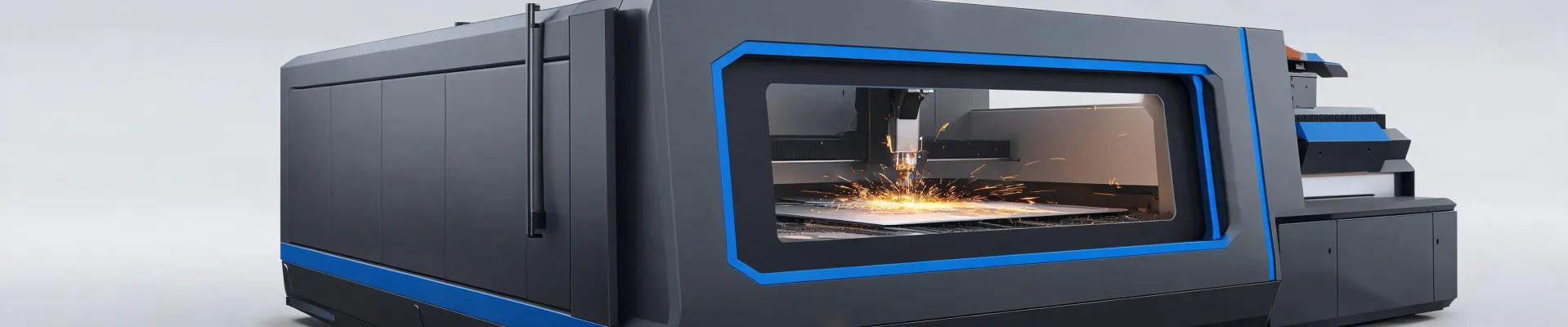
Ultimately, we installed a Bystronic fiber laser 6000 W with loading automation. I specify the machine in our quality documentation as “Bystronic laser cutting system” because that’s what it is—the resonator is only part of it. The real value was the combination of cutting database, automation, and service contract.
(Note to self: never again approve a machine sale with a vague “best effort” support clause.)
What the 6000 W Number Actually Does for You
Look, 6000 W is not impressive on its own. A 6 kW fiber laser can make holes and edge profiles that look better than what we got from the old CO2 unit, but only if the cutting head, nozzle, and gas pressures are kept in tolerance. In other words: the machine doesn’t make quality. The machine makes quality easier, when the system is set up correctly.
What I mean is that the cost of a laser is not the monthly payment. It’s the value of parts that come out right, the cost of rework, the downtime when something drifts. The Bystronic fiber laser 6000 W doesn’t magically remove drift. But the way we track cut quality, first-article inspection, and operator audits makes drift visible fast. That’s what I care about.
The Automation “Before” and “After”
The part we didn’t expect was the automation. We used to spend one shift setting up a job: loading sheets, aligning stops, programming offsets. The Bystronic system with loading automation changed that. It sounds trivial until you watch the machine cut through a two-hour unmanned window. There’s something almost boring about it—which is exactly what I want. Boring means no surprises.
Of course, “unmanned” is not “unmonitored.” We still do first article. We still audit the nesting and part data. But the machine’s ability to hold settings across a run is what made the difference. In one coating run, the parts came back from paint with no laser edge blowout. (Thankfully.)
“Before and After” That Actually Matters
If you landed here searching “co2 laser pictures before and after”, I’m going to disappoint you: this is not a skin-resurfacing article. (I’m not a medical provider, and I won’t pretend to be.) The keyword mix is a useful reminder that the same terms mean different things in different industries.
The before/after that matters to me is a production run. In Q1 2024, we cut a 4,200-piece order for four different steel parts on the Bystronic system. The first article passed. So did the 1,000th, and the 3,000th. There’s something satisfying about seeing a batch of parts that need no rework—especially after the old setup where “good enough” meant a pile of deburring scrap.
Also, if you’re actually searching for a helix CO2 laser in the medical sense? Same advice: this is the wrong page. Talk to a qualified provider. And if you’re searching for a “helix CO2” for industrial cutting, ask for test reports on your material. Names overlap; performance doesn’t.
But Isn’t It Expensive?
Compared to a container-port 6 kW fiber laser with no support contract, yes, a Bystronic fiber laser 6000 W is more expensive upfront. I won’t argue that. What I will argue: the purchase price is a small part of lifetime cost. A breakdown in week four costs more than the discount you saved in week one. I’d rather pay for engineering and service I can call than for a machine that arrives with a PDF manual and a promise.
That’s not a knock on every budget machine. It’s the same logic I use for vendors: if you can’t show me your quality plan, I can’t approve your part.
Honest Limitations: When a 6 kW Bystronic Is Not the Fit
No machine is universal. A Bystronic fiber laser 6000 W is right for plenty of jobs—but not all. If you mainly cut thick plate, or you need a very specific edge metallurgy that requires a higher-power fiber, waterjet, or a specialized CO2 setup, then a 6 kW fiber may be the wrong tool. If you prototype mostly in thin aluminum with complex formed enclosures, you might be better served by a smaller, faster machine and by designing with a cutting process in mind.
My rule is simple: recommend the option you’d sign your own name to. For 80% of the sheet-metal work we see, a modern fiber system like Bystronic makes sense. For the other 20%, honesty about the limitation is the first step to trusting yourself.
What to Ask Before You Buy Any Laser Cutting System
Forget the brochures. Start with these:
- Can you show me ISO 9013 quality grades on my exact material and thickness, not just a generic chart?
- What happens when a part batch comes out at 0.2 mm out of tolerance? Who owns the diagnosis?
- How long will your service engineer take to respond if the cutting head crashes?
- Can the system run unattended for a full shift, or will that require more automation?
Those questions matter more than the laser source. According to ISO 9013:2017, thermal-cut quality is classified by surface roughness and other measurable parameters (source: iso.org). If a vendor can’t speak to that standard, they’re selling hardware, not quality.
The Bottom Line
Looking back, I should have pushed earlier for a formal first-article approval process on machine installations. At the time, the factory acceptance test seemed enough. It wasn’t. But once we had the Bystronic laser cutting system running with clear quality gates, our rework rate dropped noticeably. Not because the machine is perfect. Because we finally treated the laser as a system with limits, and we gave ourselves the tools to catch problems early.
So if you’re in the market: don’t lead with “CO2 or fiber.” Lead with the part, the tolerance, and the consequences when something drifts. If a supplier is honest about where their machine doesn’t fit, that’s a supplier I’ll listen to. For our mix at 1–20 mm, the Bystronic fiber laser 6000 W was that supplier. “6000 W” was never the point. Quality was.

Jane Smith
I’m Jane Smith, a senior content writer with over 15 years of experience in the packaging and printing industry. I specialize in writing about the latest trends, technologies, and best practices in packaging design, sustainability, and printing techniques. My goal is to help businesses understand complex printing processes and design solutions that enhance both product packaging and brand visibility.