It started with a request from our production manager
Late last summer—probably August, I don't have the exact date—our production manager, let's call him Mark, came to me with this request. He wanted to upgrade our sheet metal cutting. We'd been outsourcing parts for years, and the lead times were killing us. Mark had done some research. He wanted a 2kW fiber laser. He mentioned Bystronic specifically, but also some lesser-known brands he found on Alibaba.
I'm the office administrator for a mid-sized manufacturing company. I manage about $150,000 annually in equipment and consumables orders across maybe 6-7 vendors. My job is to make sure things get ordered on time, invoices match quotes, and our operations team has what they need without blowing the budget.
So when Mark said, "I need a Bysoft programming interface, and the service team says we should stick with Bystronic lasers for compatibility with the feed system," part of me wanted to push back. "There's gotta be cheaper options," I thought. (Not that I said that out loud.)
The search for alternatives (and my first mistake)
I started looking. My criteria were simple: 2kW fiber laser, comparable cutting area, something that could work with our existing automation setup. I found a Chinese brand—I won't name names—that quoted almost 40% less than what Mark estimated for the Bystronic equipment. The spec sheet looked fine. Thicker bed, slightly faster acceleration, supposedly comparable beam quality.
I showed it to Mark. He wasn't impressed. "The Bysoft nesting software is what integrates with our Smart Factory system," he said. I nodded, but honestly? I wasn't fully convinced. How different could nesting software really be?
Then came the communication failure
I said: "Can your laser cut 3mm stainless steel with a clean edge?"
They heard: "We don't care about edge quality, just cut through."
Result: We got a sample part back that looked like someone had used a dull saw. Burrs everywhere. Heat discoloration. Not acceptable for anything we produce. (which, honestly, should've been obvious sooner).
That was a wake-up call. I didn't just lose time—I lost credibility with Mark. He didn't say "I told you so," but I could see it in his face.
Comparing Bystronic vs. the competition directly
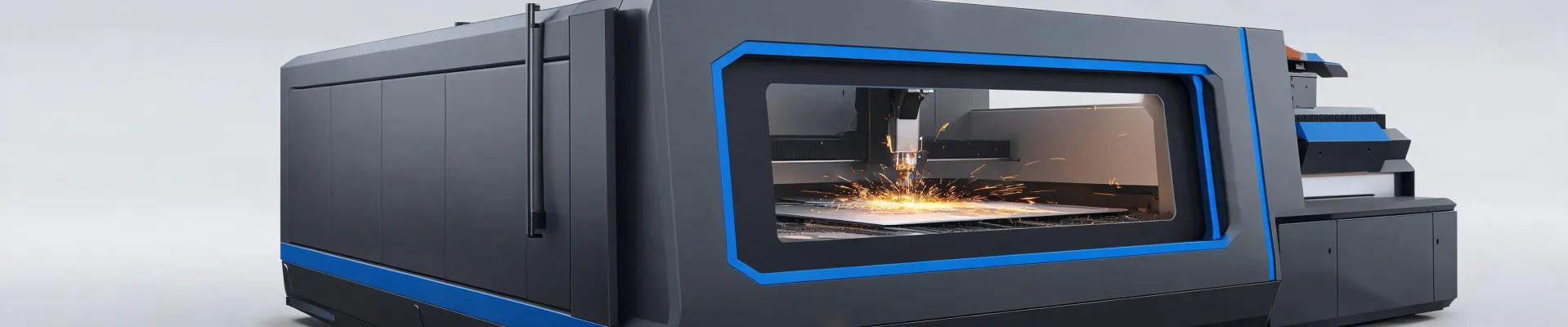
After that disaster, Mark arranged a demo at a Bystronic dealer nearby. This was probably in October. They let us run our own parts on a Bystronic fiber laser system with Bysoft. The interface wasn't what I'd call intuitive at first glance, but Mark picked it up in about 20 minutes.
We ran the same 3mm stainless steel part. The difference was night and day—no, it was more than that. When I compared the demo machine's output with the sample from the budget vendor side by side I finally understood why Bystronic's pricing was what it was. The edge was clean. The tolerances were tighter. The cycle time was faster—by about 30%.
It wasn't just the laser source. It was the whole ecosystem. The automatic focusing, the collision avoidance, the way the machine communicated with the material handling system. On paper, the cheaper machine had similar specs. In practice, the experience was completely different.
The actual cost (not just the sticker price)
I keep track of things like setup fees, training costs, and downtime. Here's what I learned about the total cost of ownership difference:
- Setup and integration: The Bystronic setup included on-site calibration and Bysoft integration with our existing pneumatic clamping system. The cheaper option would've required a third-party engineer, plus weeks of troubleshooting.
- Training: Bystronic's training for Mark's team took two days. The budget brand's idea of training was a PDF manual that had clearly been through Google Translate.
- Consumables and parts: Bystronic consumables—nozzles, lenses, protective windows—are widely available. Lead time for the other brand? Six to eight weeks for basic parts.
When I consolidated all these hidden costs, the Bystronic system actually came out cheaper over three years. (surprise, surprise). I'd never have believed that if I hadn't run the numbers myself.
What I'd tell another buyer in my position
I've been managing office and equipment purchases since 2020, and this was one of those learning experiences you hate going through but are grateful for afterward. Three things I'd do differently:
- Don't let the price difference fool you. A 40% cheaper machine isn't a bargain if it can't produce parts that meet your spec. You end up running samples anyway, so run them early.
- Ask about the software. The laser is just a tool. The programming and nesting software—like Bysoft in Bystronic's case—is what makes the tool useful. If your operators can't learn it fast, you'll burn money on scrap.
- Verify availability of parts. I called three different Bystronic distributors to check lead times on nozzles and lenses before we bought. All three said 2-3 days max. That's peace of mind you can't put a price on.
In the end, we went with the Bystronic fiber laser system with Bysoft and automated feed. The order was placed in January 2025. Installation happened in late February. By March, Mark's team was running production parts with minimal scrap.
Did I save money compared to that first budget quote? Nope. But I didn't blow the budget either. We paid about $X for the full setup (pricing varies by configuration and market—always verify current rates). More importantly, I saved myself from a six-month headache of troubleshooting a cheaper machine that wouldn't have worked for our needs.
An informed customer asks better questions and makes faster decisions. That's what I tell anyone who asks about my experience. I'd rather spend an hour explaining the differences between laser systems upfront than deal with a year of mismatched expectations later.

Jane Smith
I’m Jane Smith, a senior content writer with over 15 years of experience in the packaging and printing industry. I specialize in writing about the latest trends, technologies, and best practices in packaging design, sustainability, and printing techniques. My goal is to help businesses understand complex printing processes and design solutions that enhance both product packaging and brand visibility.